1. Product Overview
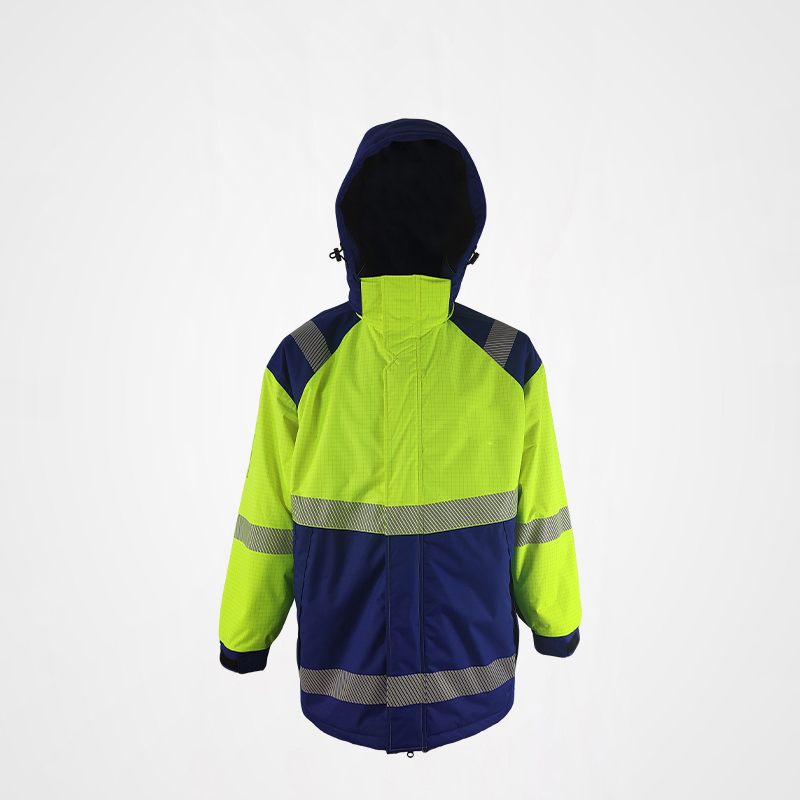
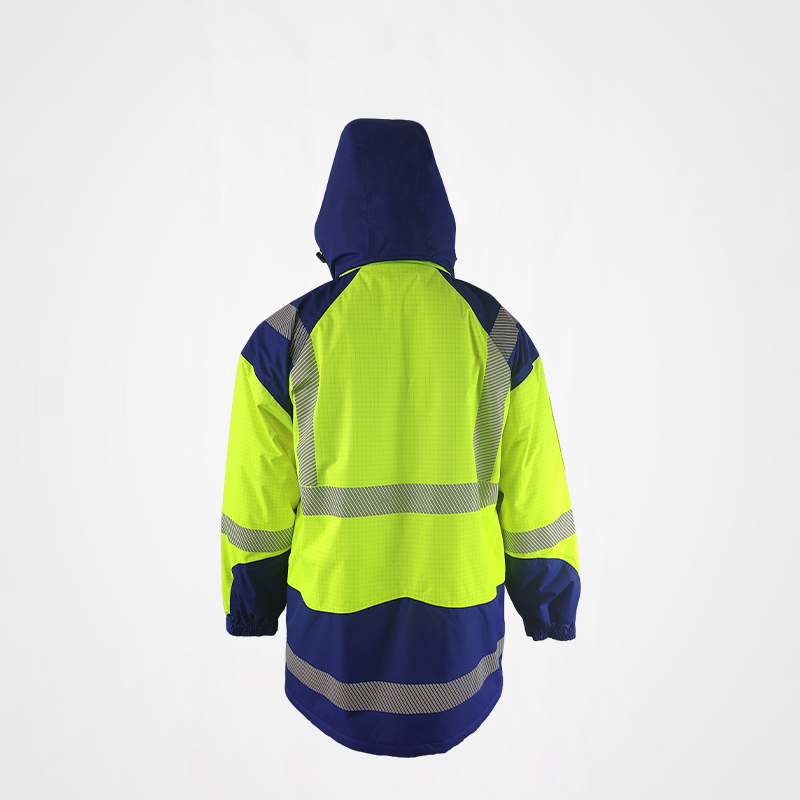
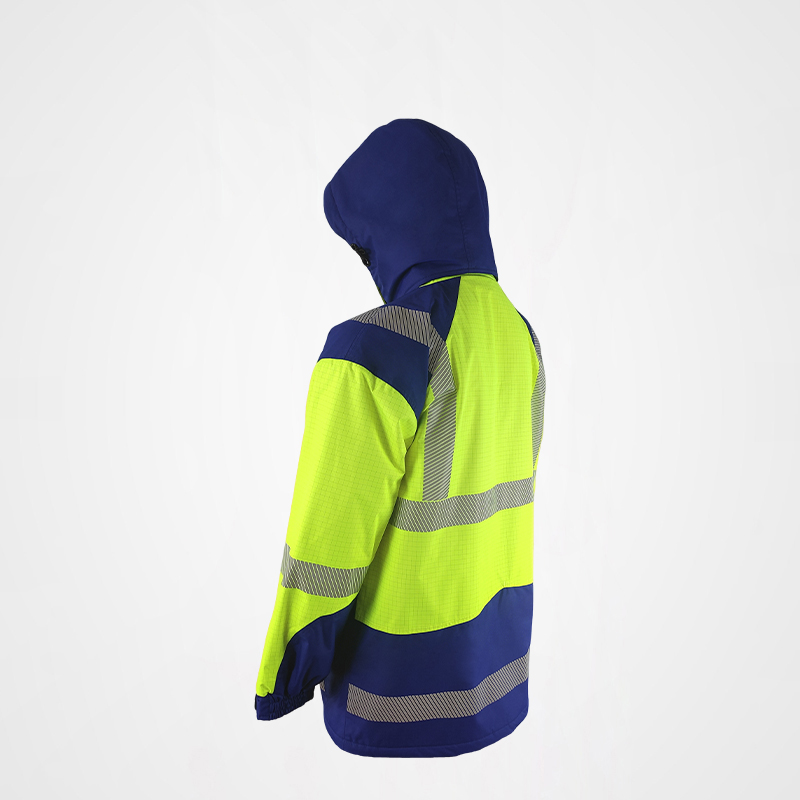
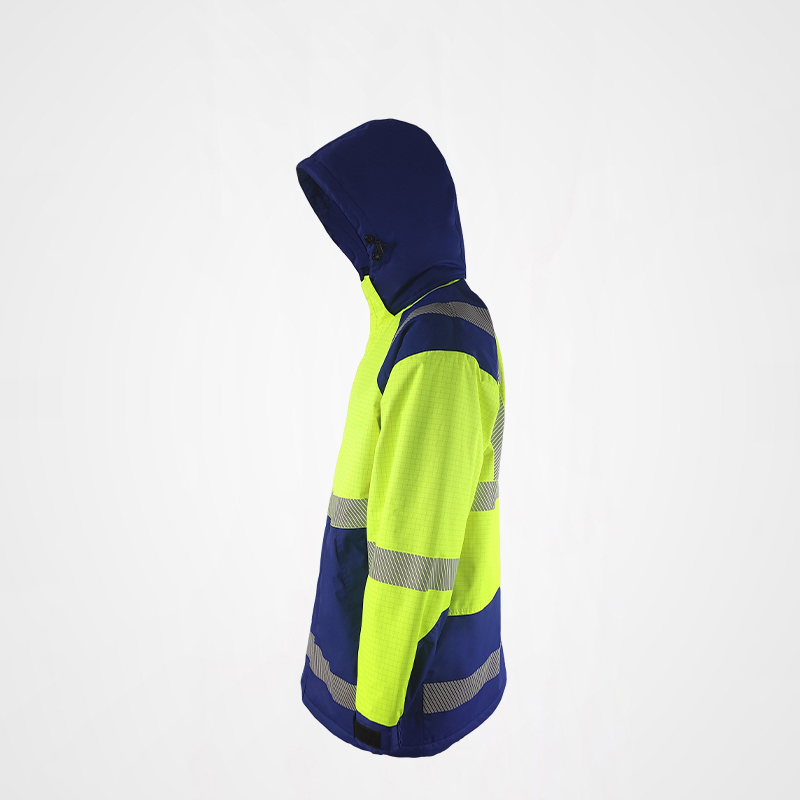
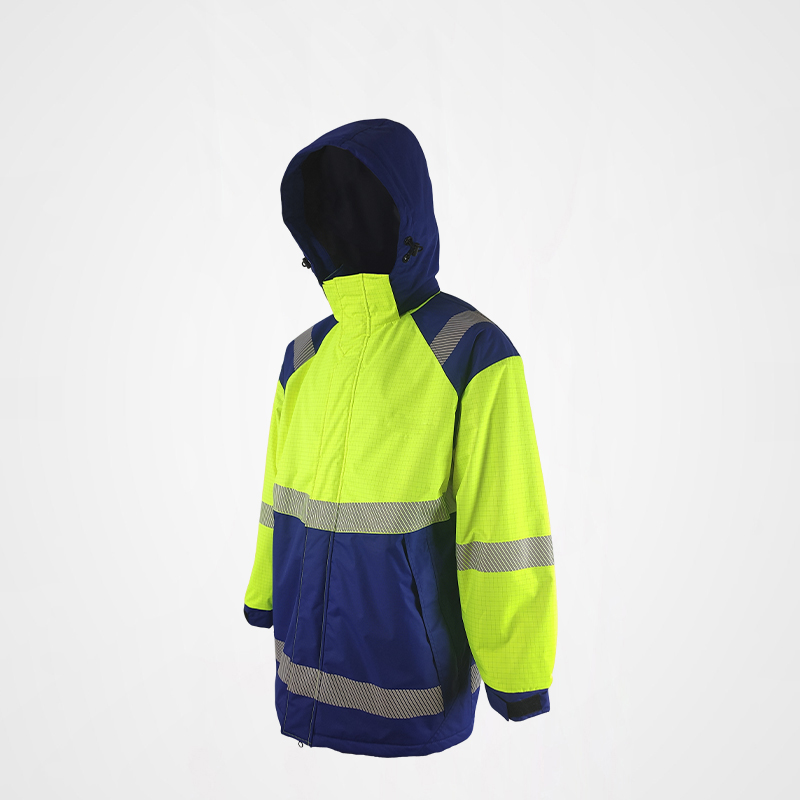
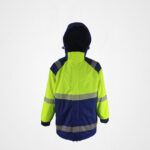
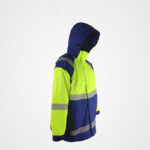
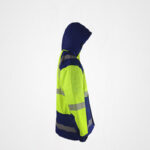
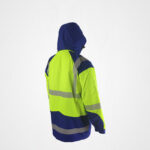
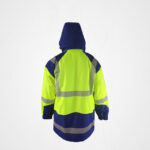
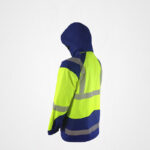
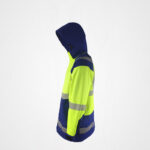
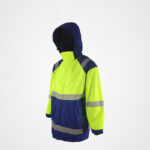
A high visibility safety jacket is a professional protective garment designed to improve the wearer’s visibility in low-light, dim, rainy, foggy or complex working environments. It is widely used for road work, construction sites, factory patrol, logistics, mining and outdoor operations, and complies with international high-visibility safety standards.
2. Main Material & Structure
- Base Fabric: Common materials include polyester, cotton, poly-cotton blend and functional treated fabrics. Fabrics feature high density, good wear resistance, tear resistance and air permeability for long-hour work comfort.
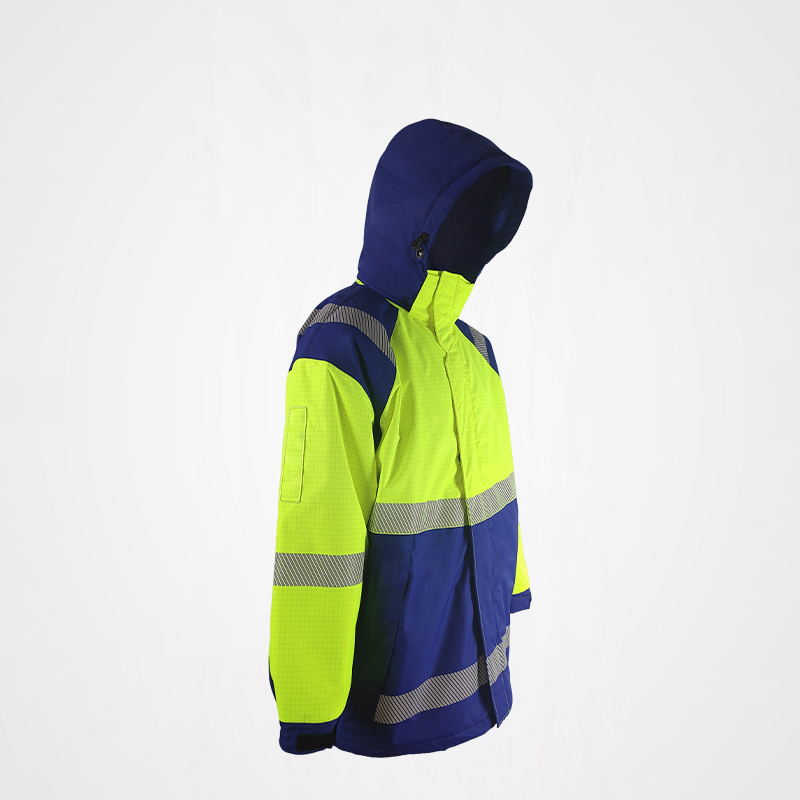
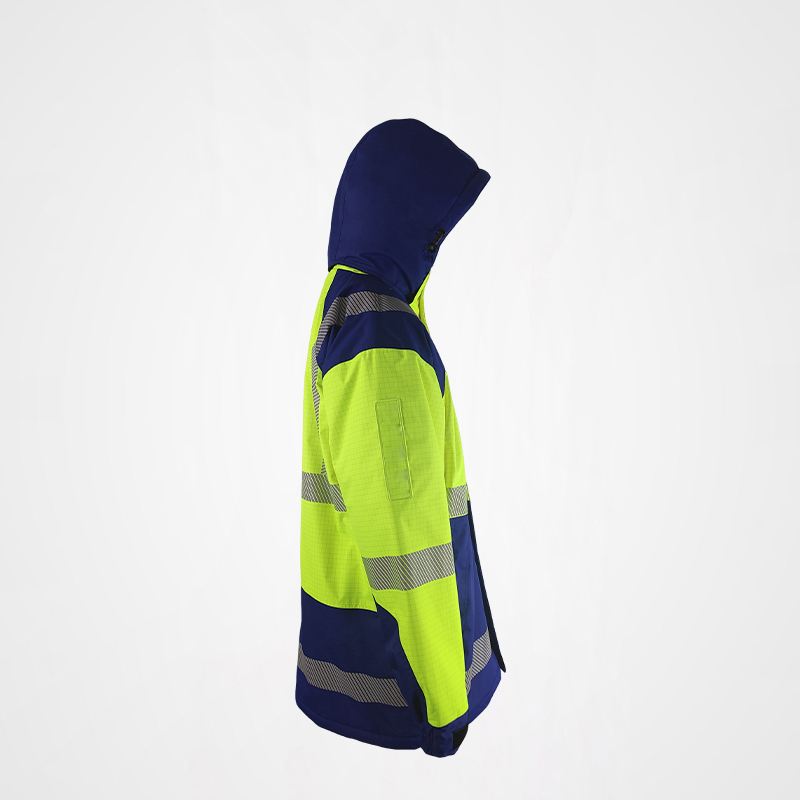
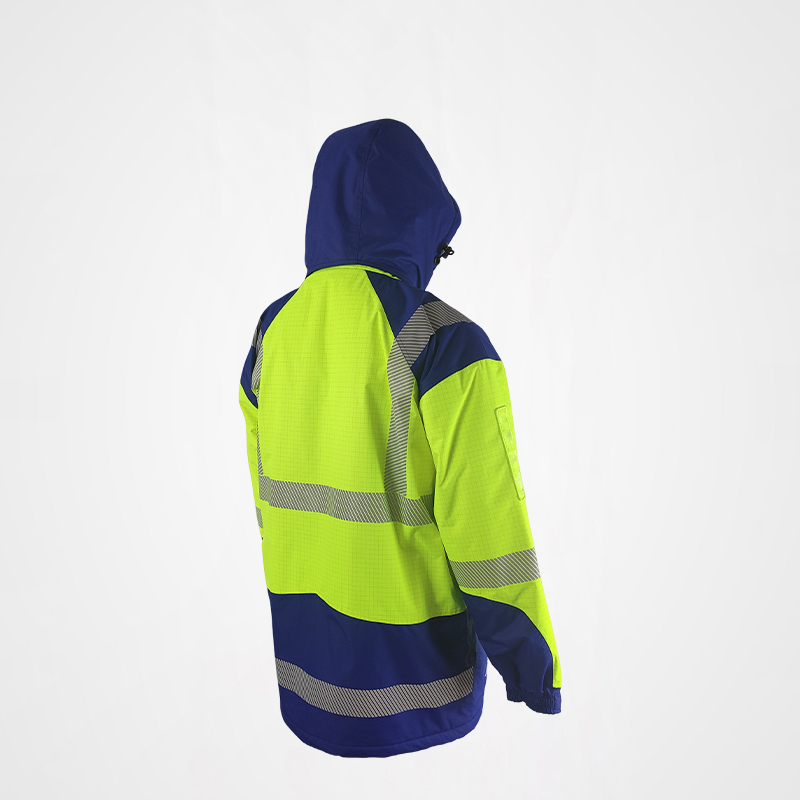
- Fluorescent Background Color: Standard colors are fluorescent yellow and fluorescent orange. These high-chroma colors deliver excellent visual recognition under natural light.
- Retroreflective Tape: High-performance reflective strips are sewn or heat-pasted on the jacket. They reflect light back to the light source at night or in dark areas, enabling drivers and other workers to spot the wearer from a long distance.
3. Key Performance & Working Principle
High Visibility Performance
- Daytime Protection: The bright fluorescent base fabric creates strong visual contrast against various backgrounds, effectively reminding surrounding personnel of the worker’s presence.
- Night & Low-light Protection: Retroreflective tapes adopt optical reflection technology. When illuminated by vehicle lights or other light sources, they produce obvious reflected light to avoid collision accidents.
Basic Wearing Performance
Most styles adopt loose cut to ensure free movement. Equipped with regular zippers, buttons, pockets and adjustable cuffs/hem for practical daily use. Some styles add windproof plackets for better adaptability to outdoor environments.
4. International Implementation Standards
The most widely adopted standard is EN ISO 20471 (High visibility clothing for professional use), which classifies products into three levels:
- Class 1: Minimum visible area, for low-risk indoor workplaces.
- Class 2: General mainstream grade, suitable for general factory, construction and short-distance outdoor work.
- Class 3: Largest fluorescent and reflective area, for road maintenance, traffic control and high-risk long-time outdoor work.
Other common regional standards: ANSI/ISEA 107 (North America).
5. Optional Additional Functions
Combined functional styles are popular in industrial scenarios:
- Flame retardant: Meets EN ISO 11611 / EN ISO 11612, used for welding, metallurgy and high-temperature posts.
- Anti-static: Complies with EN 1149, applied in chemical, oil & gas and flammable dust areas.
- Waterproof & windproof: For outdoor operations in bad weather.
6. Advantages
- Greatly reduce safety risks caused by poor visibility, core protective gear for outdoor and night work.
- Durable fabric and firm reflective tape, long service life.
- Lightweight and comfortable, various styles available for different working demands.
- Standardized production, easy for bulk procurement and unified staff wear.
7. Application Scenarios
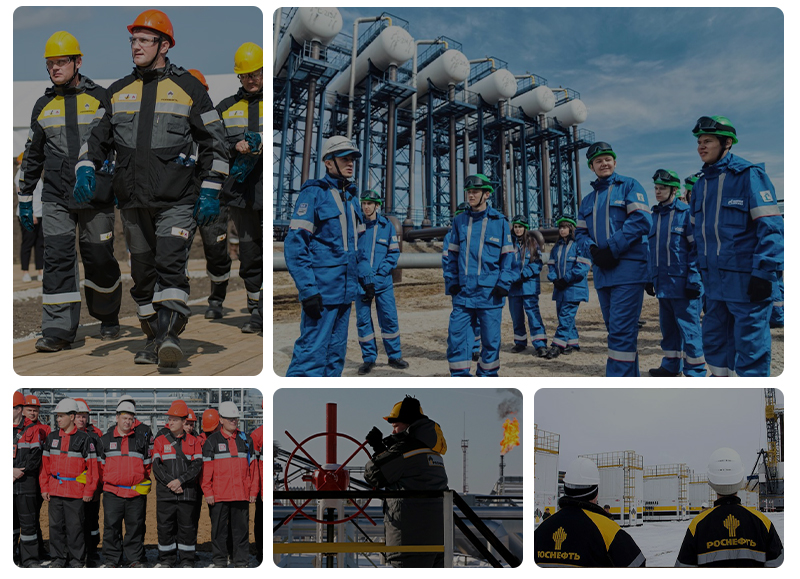
Road construction, traffic patrol, municipal engineering, building sites, warehouse logistics, mine operation, factory inspection, port and dock work, and all outdoor low-light working occasions.
8. Care Instructions
- Wash with mild detergent under normal water temperature; do not use bleach.
- Avoid over-wringing, high-temperature drying and long-time strong sun exposure, to prevent fading of fluorescent fabric and reduction of reflective effect.
- Prevent sharp objects from scratching the reflective strips. Replace the jacket timely if the reflective layer peels off or visibility performance declines.
 fireproofworkwear





Submit for consultation
We will reply to you within 24 hours